
I have been investing in bonds and other fixed-income products for about three years, and I have slowly increased my allocation over that time.
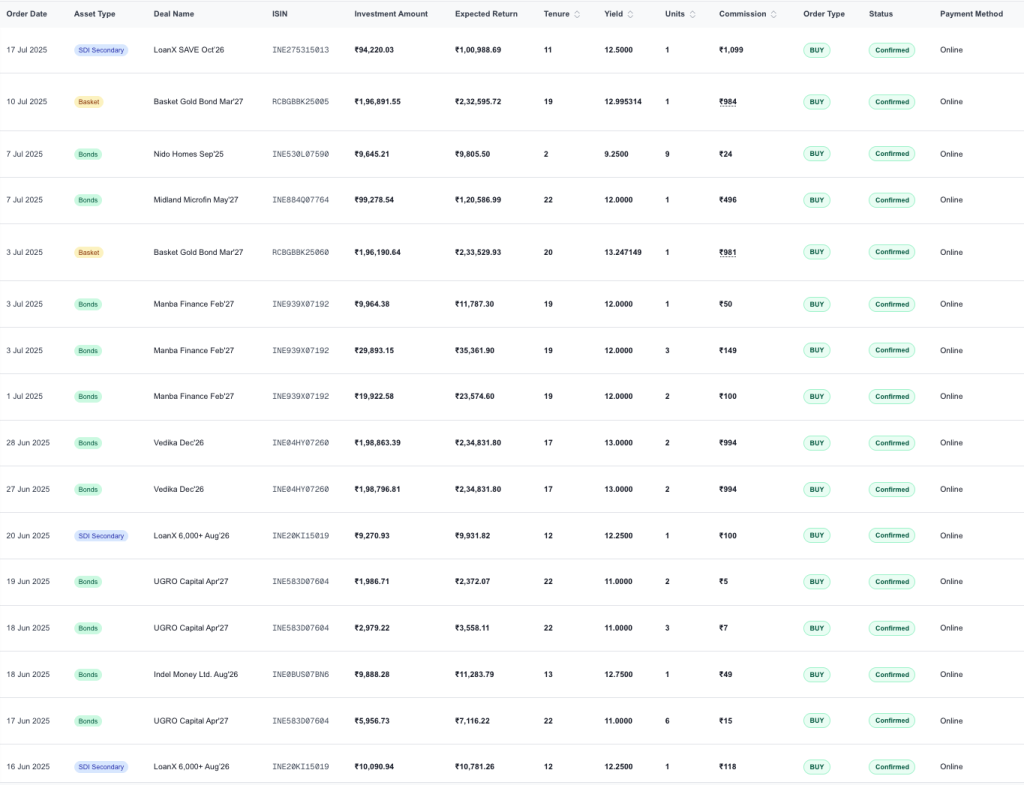
Platforms publish the information they want you to see. Data from real investors gives another view, and I have access to over ₹2 crore worth of investments in bonds. This data covers the real investments of 25 investors and almost 250 transactions made through my affiliate code over about two years. The transactions include bonds, SDIs, FDs and other products, from different issuers, ratings and tenures, ranging from about four months to 36 months.
Disclosure: Through my videos and blog, I work as an affiliate for Grip Invest and other investment platforms. When someone registers or invests with my code, their returns and terms don’t change, but I may earn a benefit. This is not my personal ₹2 crore portfolio. My referral links are at the end.
This is a small sample and not a scientific study, so it can’t give a complete picture of bond investing. But I think it is large enough to be a good starting point for someone looking to invest in bonds or Grip Invest.
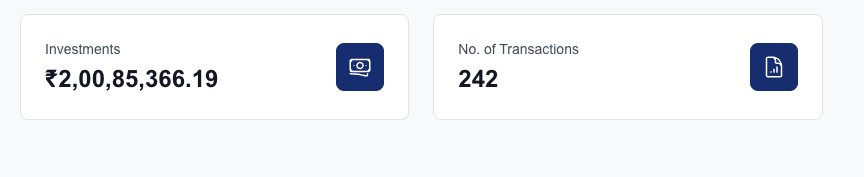
What the Data Shows
1. Average Investment Size – The median transaction is about ₹60,000 and the average is about ₹84,000. Transactions above ₹1 lakh are only about 27% of the count.
2. Average Investment Period – The median tenure is 19 months, and about 25% of the investments run 24 months or longer. So this is not short-term parking.
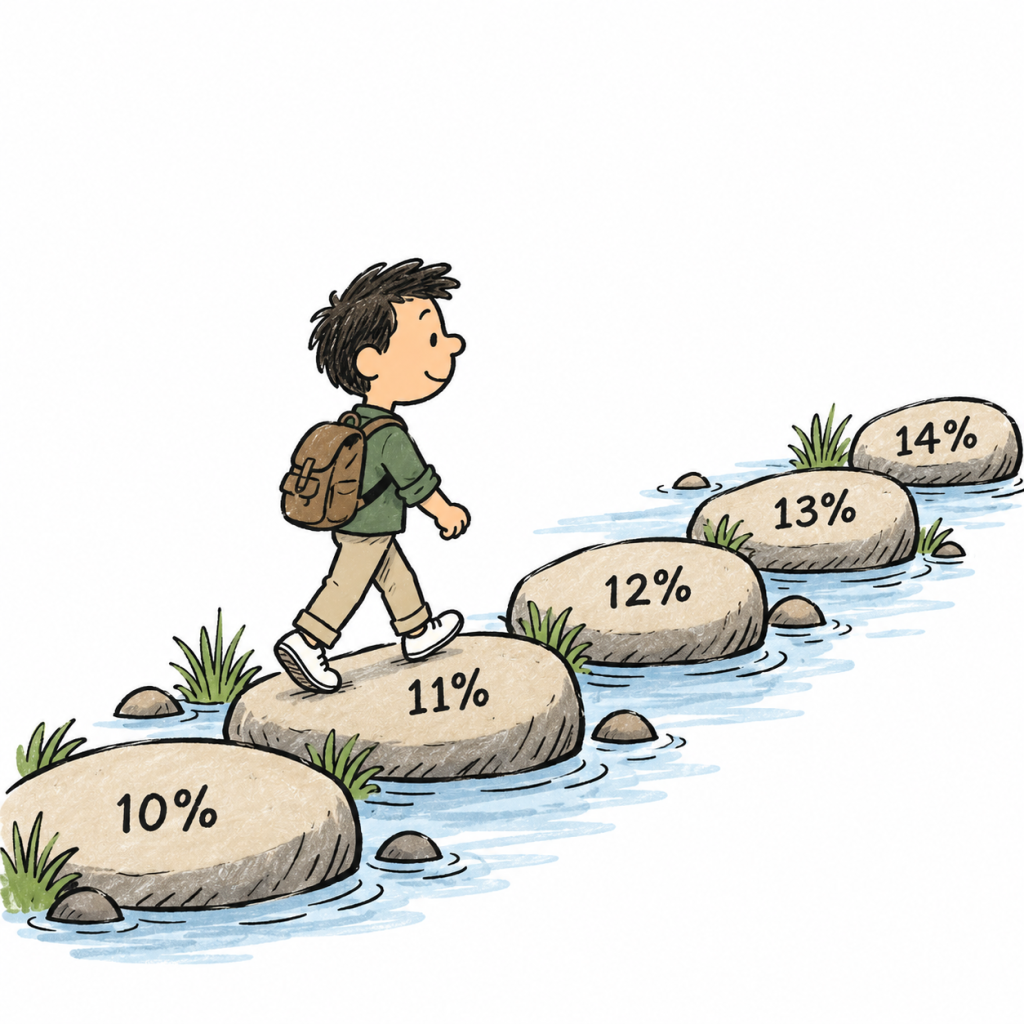
3. Most people take more yield than I do – About 75% of transactions have yields between 11% and 14%, and the median is 12.8%. My own investments are mostly in the 10.5–11% range, because I care more about credit quality and protecting principal than squeezing out the last bit of return.
4. Bonds dominate, and SDIs have faded – About 70% of the money is in bonds. SDIs were about 91% of the money invested in mid-2024, but only 2–7% from late 2025 through mid-2026. After the three SDI-related issues I mention below, the platform started offering fewer of them and investors became more cautious. By the way, I still invest in SDIs when one fits my risk criteria.
5. People diversify, and they hold – The investments are spread across roughly 60 issuers, and no single issuer takes more than about 6.5% of the money. Sell transactions are under 5% of what was bought. Most people hold to maturity, so treat any bond as locked-in money and early exit as a backup option.
What the Data Can’t Tell Us
I can see what people invested in, how much, for how long and in which products. What I can’t see is how many of these investments were delayed, defaulted or lost money. I don’t have an independent database for that.
For issues, I rely solely on conversations with investors and the Grip Invest team.
Over the past year, I am aware of three events involving delays, defaults or losses. They deserve their own discussion, so I covered them in a separate video or blog post.
The point to remember is that fixed income is not risk-free income. Delays and defaults happen, and in some cases investors lose money.
The data is also young. About 80% of these transactions happened in the last 15 months, and with a median tenure of 19 months, most of these investments haven’t matured yet. A clean record so far is encouraging, but it isn’t proof.
What Has Happened to My Own Investments
So far, none of my own investments have gone bad, been delayed or defaulted.
I would be careful about what that means. It could partly be the way I select investments, but I may also have been lucky. It doesn’t mean my investments can’t go bad later, and it doesn’t mean bonds are safe. My experience has made me more comfortable with the asset class while keeping me cautious.
How Do I Invest in Bonds
I follow two basic rules.
1. I don’t chase the highest return.
I prefer higher-rated bonds, mainly A and AA-rated ones, and I don’t go down the rating scale just because something offers more. Earning 10% is fine for me. I am not trying to make 12–13% if it means taking much more credit risk. My main goal is not losing principal, and returns come second. This may not suit everyone, but it makes sense to me.
2. I diversify.
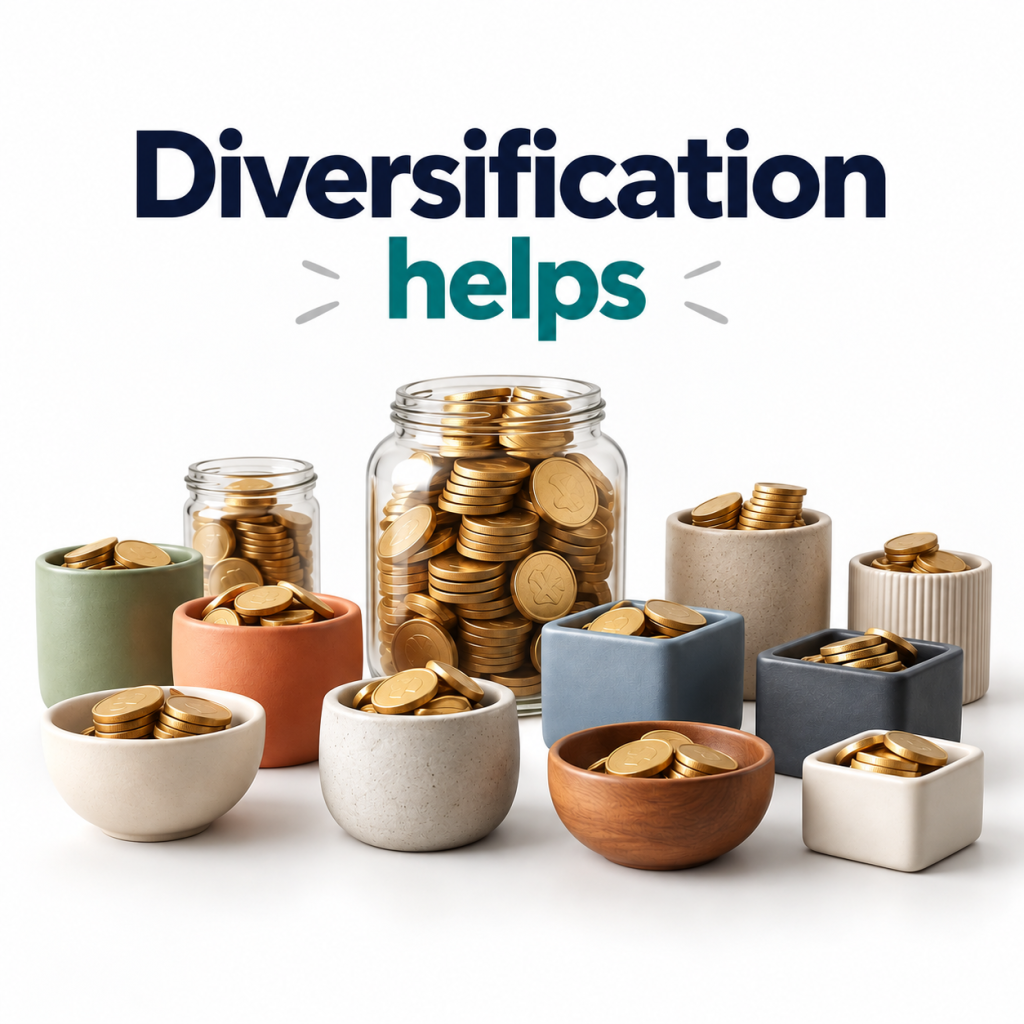
If I have ₹10 lakh to invest, I would rather spread it across something like 10 investments than put a very large amount into two or three. Even high-rated bonds carry issuer and credit risk. Diversification doesn’t remove that risk, but it stops one investment from becoming too large a part of your portfolio.
If You’re New to Bonds, Start Small
This is the biggest thing I would tell someone just starting. Don’t begin with a huge amount, even if you feel confident. Confidence is often what gets investors into trouble.
The minimum investment in many products is around ₹10,000, so ₹1 lakh can be spread across several investments. Use your first ₹1 lakh, or whatever amount you are comfortable with, to learn how the whole process works:
- How do interest payments arrive?
- What happens at maturity?
- What happens when an investment is delayed?
- How do you track everything?
- How does taxation work?
These are much easier to understand with real experience than by reading about them. I would rather see a new investor spend the first six to twelve months learning how the asset class works than chasing the maximum return. Once you understand it better, you can decide whether to increase your allocation.
Why I Keep Increasing My Fixed-Income Allocation
I am quite happy that I took bonds and fixed income seriously. During the strong stock market of 2023–24, there was a lot of excitement around equities. I am glad I didn’t put a large part of my money there just because everyone around me was doing it.
Also, my portfolio isn’t only bonds. I also hold FDs, debt funds, equities and other investments. Slowly, bonds have become a meaningful part of my fixed-income allocation, and as I have become more comfortable with them, I have increased it gradually. Just as I keep adding to my stocks or mutual funds, I add to fixed income every month or every few months, depending on what looks attractive and fits my overall portfolio.
What I Think After 2–3 Years
I don’t think there is a simple answer to whether bonds are a good investment. I am not telling you to invest, and I am not telling you they are safe. They aren’t.
I started with a skeptical mindset, and I am still skeptical. Even with none of my own investments going bad so far, I approach every investment assuming something can go wrong. Your risk tolerance, finances and strategy may be completely different from mine.
If you take only a few things from this article, take these:
- Treat high-yield instruments as a reason to do more homework, not as a bargain.
- Spread your money across issuers, and don’t let any one bond get too large.
- Assume you will hold to maturity.
- Start small and learn the process before you scale up.
A Note About My Affiliate Link
If you decide to explore Grip Invest, you can register through my affiliate link or code. It helps me financially and supports the content I create. You can also register just to look around, because there is no reason to invest until you are comfortable.
My aim is simple: share the data I have and my own experience, be clear about what I don’t know, and leave the decision to you.
Opening a new account? Consider my referral links. They help me make honest videos, and they have no impact on your returns.
- WINT: Use code C4EAEB or this link
- Grip Invest: Link
- Altgraaf: Use code BH8922 or this link
- Gullak: Use code 30Y99M or this link
- Tap / Ultra: Use code X72D1Y
Investment Disclosure
I am not a SEBI-registered investment adviser or financial professional. This article is based on my personal experience and the data available to me, and is shared for informational purposes only. It should not be considered investment advice or a recommendation to buy or sell any investment. Please do your own research and consider your financial situation and risk tolerance before investing.
Leave a Reply