
Category: Sports

  • Leading India at World Masters Tennis Championship 2023 – A Dream Come True

    Leading India at World Masters Tennis Championship 2023 – A Dream Come True

    At the age of 60, life has taught me that dreams do not expire—they only evolve. Tennis has been a constant companion in my journey, challenging me physically, mentally, and emotionally. Representing India at the World Masters Team Championship 2023 in Lisbon, Portugal, in the Women’s 55 age category, was not just another tournament for me—it was a defining moment of my life.

    In 2023, history was created when, for the first time ever, the All India Tennis Association (AITA) sent an Indian women’s team in the 55+ category to compete at the World Masters Team Championship. Based on my national ranking, I was honored not only to be selected for the team but also nominated as the Captain of Team India. This responsibility filled me with pride and a deep sense of commitment.

    Arrival in Lisbon and the Weight of Responsibility

    Our team arrived in Lisbon on 8th August 2023, two days before the tournament officially began. The following day, 9th August, I attended the Captain’s Meeting, where the match formats, group draws, and tournament rules were explained. Sitting in that room with captains from across the world, I realized the magnitude of what lay ahead. We were not just playing tennis—we were representing India on a global stage.

    That same day, at 4 PM, the Inauguration Ceremony took place. It was an event filled with grandeur, color, and emotion. Teams from across the globe marched into the arena in alphabetical order, each accompanied by their national anthem. India was represented by three teams in total—Women 55, Men 55, and Men 60—making the moment even more special for our contingent.
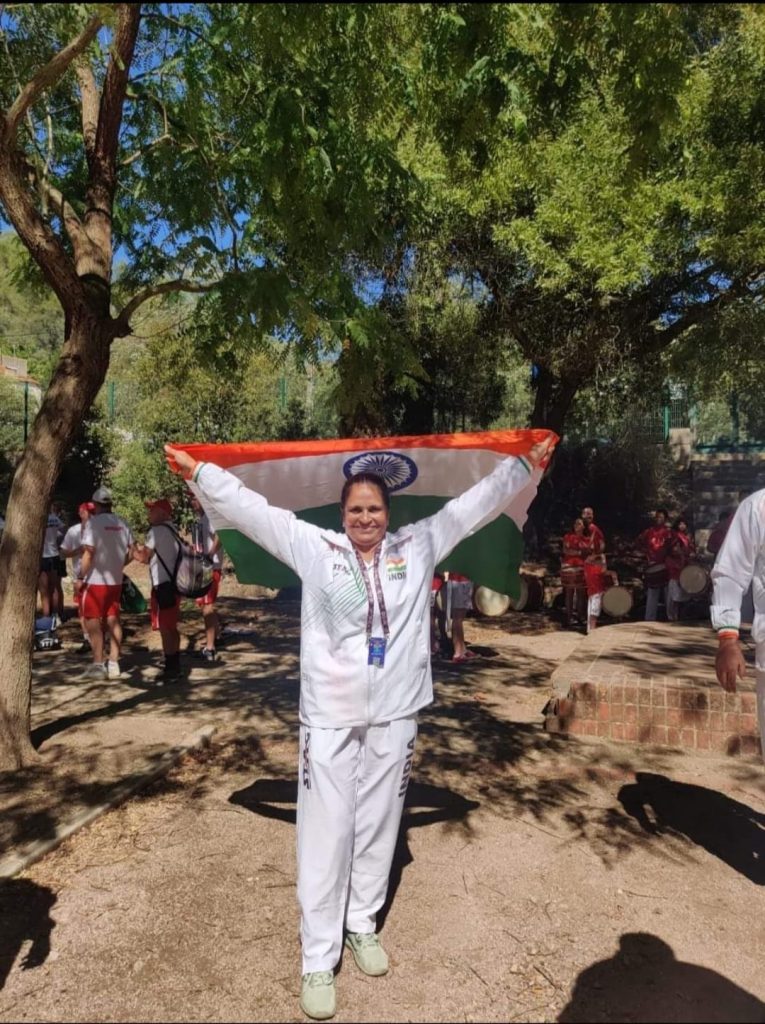
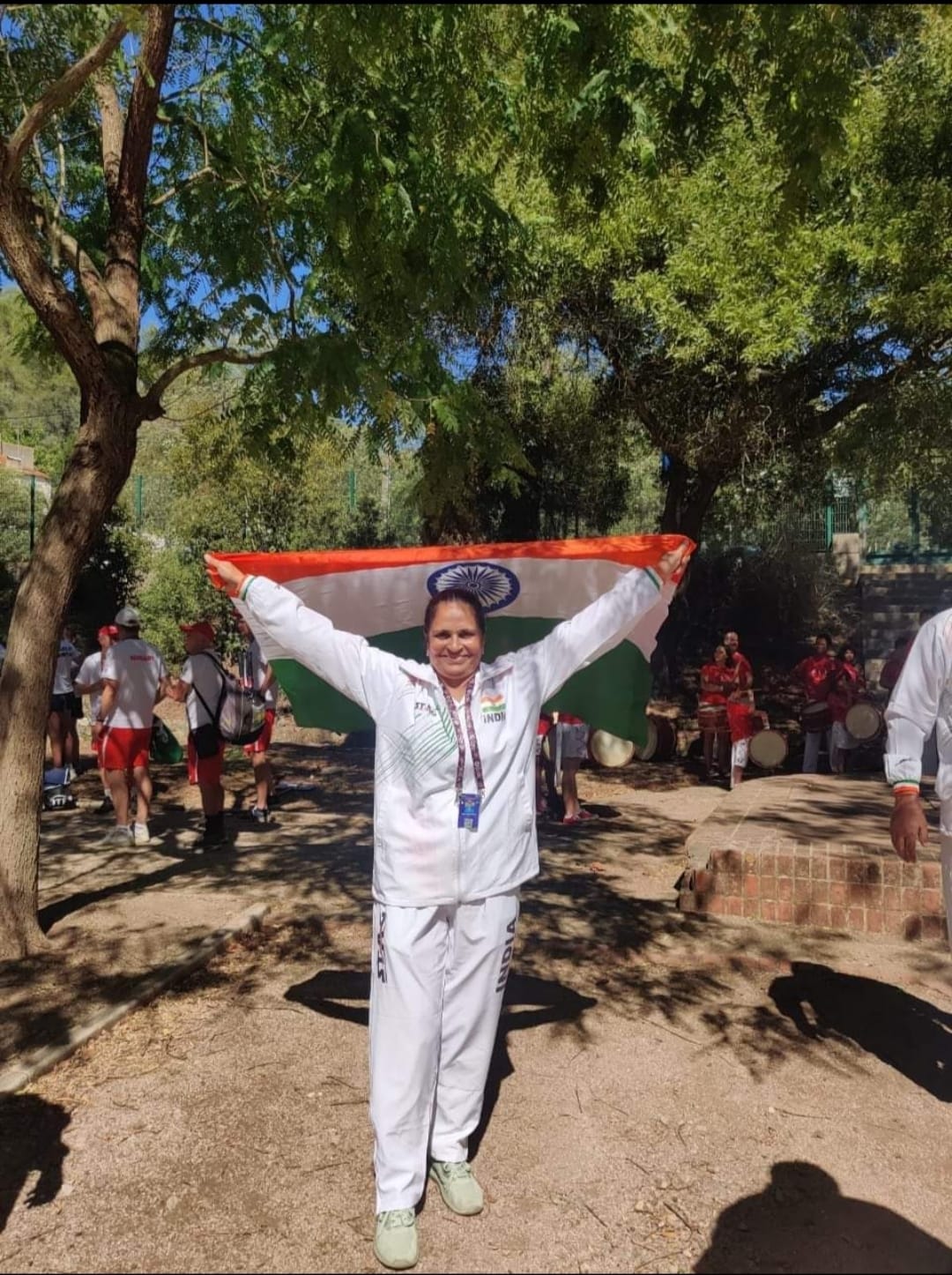
    When it was India’s turn to enter, I led the Indian contingent into the arena as the Indian National Anthem played. Words cannot fully capture the emotions I felt at that moment. Pride, gratitude, disbelief, and joy all came together. For a sportsperson, especially at this stage of life, it was truly a dream come true.

    Matches, Challenges, and Reality Checks

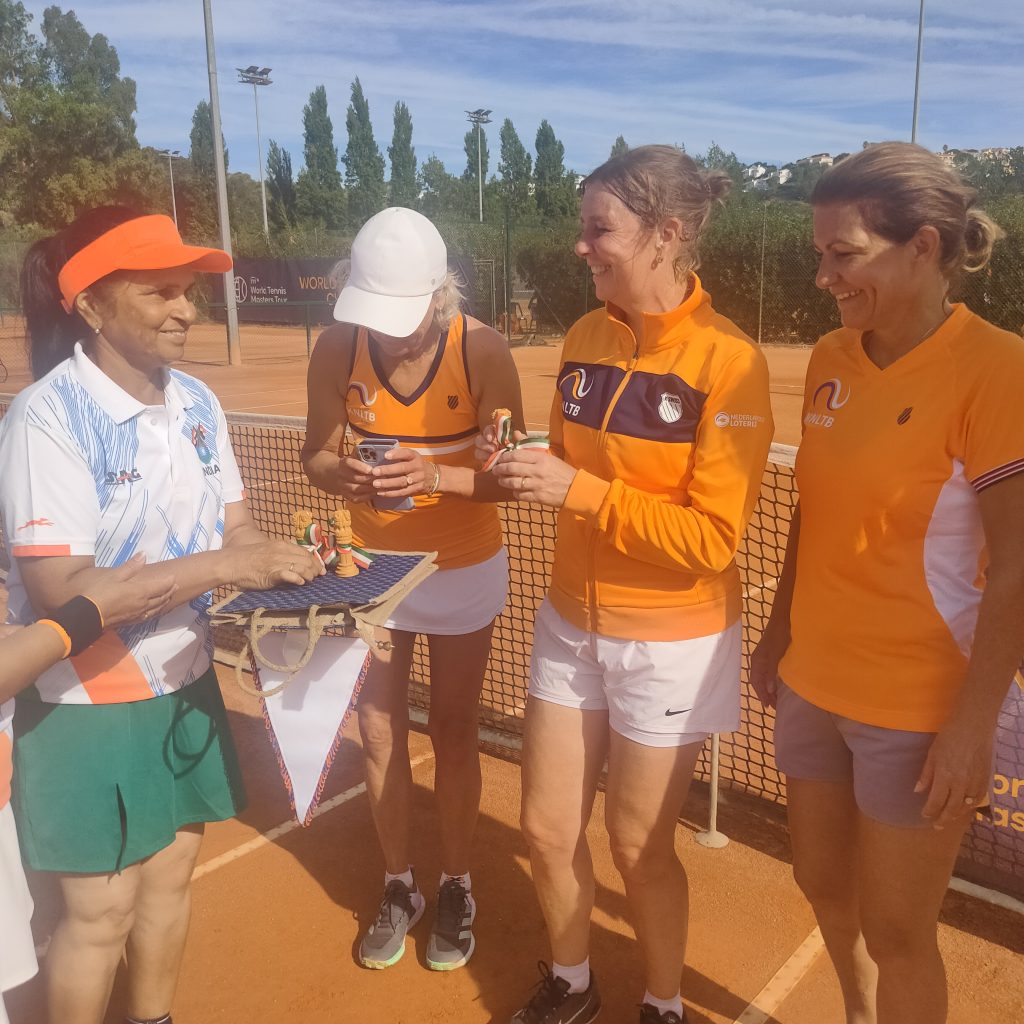
    The competition began soon after. In the group stage, we played three tie matches, each consisting of two singles and one doubles match, against strong teams like Netherlands , Canada and Switzerland. Despite our best efforts and fighting spirit, we lost these matches.
    Next, we faced Argentina, another formidable opponent, and once again, the result was not in our favor.
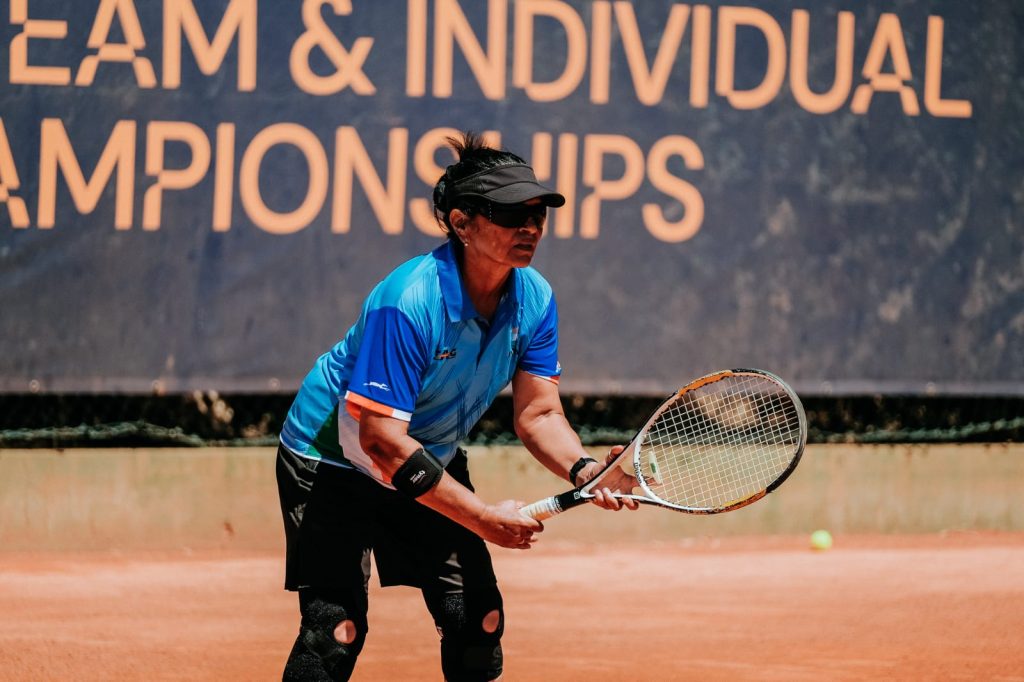
    By the end of the tournament, our team found itself at the bottom of the standings among all participating nations. While the results were disappointing on paper, the experience itself was invaluable. Competing against world-class players gave me a clear understanding of where we stood—and more importantly, where I needed to improve.

    Eye-Opening Observations

    One of the most striking realizations during the tournament was the level of fitness maintained by women players from other countries. Their agility, endurance, and court coverage were remarkable. It became very clear to me that if I wanted to compete at this level again, I needed to raise my fitness standards significantly.

    Another unforgettable moment was playing against a player from the Netherlands, who had been a top professional during her younger years. She had competed on the circuit alongside legends like Steffi Graf. Standing across the net from someone of that caliber felt surreal—something I could never have imagined earlier in my life.

    Yet, instead of feeling intimidated, that experience sparked something powerful within me.

    My Takeaways from the Tournament

    This championship, though challenging, gave me clarity and renewed purpose. My key takeaways were:

    1. Fitness is Non-Negotiable
      I promised myself that I would return next year stronger, fitter, and faster. Age may be a factor, but dedication and discipline can bridge many gaps.
    2. Coaching is Essential for Growth
      To compete against former professionals and elite players, natural ability and experience are not enough. I realized the importance of having a good coach to refine my technique, strategy, and match play skills.

    Looking Ahead with Determination

    The World Masters Team Championship 2023 may not have ended with wins for us, but it gave me something far more valuable—direction. I now train with a clear vision and renewed hunger. My goal is no longer just participation; it is to compete, challenge, and defeat the very players who once seemed untouchable.

    This journey reaffirmed my belief that sport has no age limit. As long as you are willing to learn, work hard, and believe in yourself, the court will always welcome you.

    Lisbon was not the end—it was the beginning of a stronger comeback.

    *********************

    About Author:

    Vibha Choudhary is a dual-sport elite athlete and a top-ranked Indian player in Tennis and Pickleball. A former Physical Education teacher with a Post Graduate degree in Physical Science, Vibha combines academic expertise with on-court mastery. She led the Indian Women’s 55+ team at the World Masters Team Championships in 2023, 2024, and 2025. At 60, she is dedicated to helping players of all levels stay active, competitive, and injury-free.

  • Racquet Sports for Women Over 50: A Fitness Guide

    Your kids are grown. Your calendar has breathing room. And suddenly, you’re noticing the stiffness, the shortness of breath, the realization that you’ve spent decades caring for your loved ones while putting your health last.

    Welcome to your comeback era.

    Women over 50 are discovering racquet sports—Pickleball, Tennis, Badminton, Squash—for the social connection, cardiovascular exercise, mental sharpness, and simple joy of movement. These games offer built-in community. You’re not alone on a treadmill; you’re laughing, competing, and making friends who share similar passions.

    But here’s the reality: your body isn’t 25 anymore, and that’s perfectly okay. The key is understanding how racquet sports affect mature bodies—and how to protect yourself while you play. This isn’t about limitations. It’s about playing smart so you can play for years to come.

    Understanding Your Body After 50

    Let’s be honest: joints are tighter, recovery takes 48-72 hours instead of overnight, and stabilizing muscles have weakened. Post-menopause, bone density decreases too. This isn’t discouraging—it’s empowering information. Knowing these changes means you can work with your body, not against it.

    Choosing Your Sport: What Suits Your Body, Mind and Soul

    Pickleball: The Gentle Entry Point

    Smallest courts, slowest ball speed, short duration of matches. Ideal for rebuilding fitness, social play without extreme intensity. The trade-off? Constant crouching stresses lower back, glutes, and hamstrings.

    Tennis: Higher Intensity

    Requires explosive movement and overhead serving. Better if you’ve maintained fitness and want cardiovascular challenge. The trade-off? More impact on shoulders, ankles, and knees.

    Badminton: The Indoor Option

    Fast reflexes. Excellent for those avoiding outdoor heat or harsh court surfaces. The trade-off? Overhead smashes stress shoulders; quick footwork challenges ankles.

    Squash: Most Demanding

    Enclosed court, constant movement, wall ricochets. Only for those with strong cardiovascular base and joint health. The trade-off? Highest injury risk—intense lunging, pivoting, and collision potential.

    My Recommendation: If you haven’t been consistently active, start with Pickleball. Build fitness for 3-6 months, then explore other sports if desired.

    Your Body’s “Danger Zones”

    Lower Body (All Racquet Sports)

    Lower Back Strain: The bent “ready position” forces lower back muscles to work overtime.

    • What You’ll Feel: Dull ache worsening after playing, morning stiffness
    • Prevention: Daily core strengthening

    Hamstring Strains:

    • What You’ll Feel: Extreme tightness the next day, difficulty with stairs
    • Prevention: Daily stretching routine

    Calf & Achilles Issues:

    • What You’ll Feel: Sharp pain like a snapped rubber band, or deep achilles tenderness
    • Prevention: Never skip calf stretches; keep them flexible throughout the week

    Knee Pain:

    • What You’ll Feel: Swelling, stiffness, clicking sounds, pain going downstairs
    • Prevention: Proper court shoes, strengthen quad muscles, avoid overplaying

    Upper Body

    Rotator Cuff Strain:

    • What You’ll Feel: Deep ache worsening with overhead reaching or night pain
    • Prevention: Build shoulder strength gradually; start with gentle serves

    Tennis Elbow:

    • What You’ll Feel: Outer elbow pain when gripping objects
    • Prevention: Hold racquet like a bird—firm but gentle; ensure correct grip size

    Wrist Tendinitis:

    • What You’ll Feel: Sharp pain when bending wrist or gripping
    • Prevention: Focus on proper technique; consider wrist support if needed

    The Warm-Up: Non-Negotiable After 50

    Brisk walk, leg swings, arm circles and shoulder rolls, torso twists, hip circles and ankle rotations, shadow swings—these aren’t optional extras.

    Never skip this. It’s your insurance policy against injury. Think of it as waking up muscles gently, not shocking them into action.

    What I’ve Learned at 60: The Recovery Reality

    I’m 60, playing regularly with disciplined warm-up and cool-down routines. Here’s what nobody tells you upfront: the warm-up and cool-down are only half the equation.

    Even with perfect preparation, my body demands more—regular professional care. Not when something hurts, but as preventive maintenance.

    The Fortnightly Reset

    Every fortnight, I schedule time with a skilled physiotherapist or experienced massage therapist who understands sports bodies and mature joints.

    These sessions work out micro-tensions from repetitive movements. My physio finds tight spots I didn’t know existed—deep hip flexors, small muscles between shoulder blades, stubborn calf knots.

    What This Prevents: Mystery aches that suddenly appear. Gradual loss of range of motion. Compensation patterns where you favor one side without realizing it.

    Deep Stretching Sessions

    Between professional appointments, I do dedicated 20-minute deep stretching weekly—not quick post-game routine, but intentional, held stretches on problem areas.

    My advice? Build professional care into your routine from the start. Don’t wait until something hurts. Your body at 50+ needs this recovery support—it’s intelligent self-care, not weakness.

    Listen to Your Body—It’s Communicating Wisdom

    The biggest adjustment isn’t physical—it’s mental. You remember being athletic and fearless. That person is still inside you, now in a body with decades of lived experience.

    Your body isn’t betraying you when it says “slow down.” It’s communicating wisdom. Athletes who play into their 70s and 80s aren’t the most aggressive; they’re the most attuned to their body’s signals.

    Pain is information, not failure. Muscle soreness means you’re building strength. Sharp pain means you’re pushing too hard—stop immediately and assess.

    Key Reminders

    Start hydrating in advance and continue it during the activity.

    Progress isn’t linear. Some days feel strong; others feel harder. Hormones, sleep, stress—all affect performance. That’s completely normal at any age, especially after 50.

    Community matters more than performance. Women still playing at 70, 80? They loved the game and friendships, not winning. Find your tribe and enjoy the journey together.

    Your Comeback Starts Now

    Racquet sports offer more than exercise—they offer you a new identity in the society, challenge when life feels routine, and community when social circles shift.

    Start slowly. Choose the right sport for your fitness level. Warm up properly. Invest in good equipment. Listen to your body’s wisdom.

    Most importantly: give yourself permission to be a beginner. You don’t need to be good immediately. Just show up, move your body, enjoy rediscovering what it feels like to play.

    Your comeback era has begun. See you on the court.

    **********************

    About Author:

    Vibha Choudhary is a dual-sport elite athlete and a top-ranked Indian player in Tennis and Pickleball. A former Physical Education teacher with a Post Graduate degree in Physical Science, Vibha combines academic expertise with on-court mastery. She led the Indian Women’s 55+ team at the World Masters Team Championships in 2023, 2024, and 2025. At 60, she is dedicated to helping players of all levels stay active, competitive, and injury-free.